A “BPA-free” label can be useful, but on its own it does not prove that a bottle, food container or kitchen tool is suitable for every intended use. At the end of 2024, the European Commission adopted a ban on the use of BPA in food-contact materials. Regulation (EU) 2026/250 later clarified the prohibitions, limited exemptions, testing, documentation and certain transition deadlines.
The rules govern manufacture and placing products on the EU market. They do not say that every previously purchased item is automatically unsafe, and they do not remove the need to check intended use. A sound decision needs more than a slogan.
1. First check whether it is actually intended for food contact
The EU framework covers materials and articles intended to come into contact with food or drink. That can include packaging, bottles, storage containers, can coatings, kitchen utensils and certain appliance components.
Look for an explicit intended use, the glass-and-fork symbol, or wording that names the application. A decorative jar, workshop container or unidentified plastic box does not become suitable for food simply because its shape appears convenient.
2. “BPA-free” is not a general safety certificate
BPA is one chemical substance. The claim does not automatically verify the complete material composition, manufacturing quality, contact conditions or suitability at every temperature.
EU food-contact rules are broader: a material must not release constituents into food in amounts harmful to health, or unacceptably alter the food’s composition, taste or odour. Plastics are also subject to material-specific composition and migration limits.
3. Use limits matter more than the marketing line
Check what the manufacturer permits: cold or hot food, microwave, dishwasher, freezer, acidic or fatty foods, single or repeated use. A container may be appropriate in the refrigerator without being suitable for hot soup.
Do not infer heat resistance from thick walls or the word “premium”. If instructions are missing or contradictory, or the exact model cannot be identified, choose a product with verifiable conditions of use.
4. A transition period is not an automatic recall
The BPA regulation contains limited exemptions and category-specific transitional provisions. The 2026 correction clarified, among other matters, deadlines for first placing certain single-use and reusable final articles on the market, analytical checks and compliance documentation.
A date on shop stock or on an item at home therefore does not determine compliance by itself. Do not discard an article solely because of its production year, but do not assume that an item is compliant merely because it is still for sale. The exact model, responsible business and use instructions need to be read together.
5. Look for traceability
The article or packaging should identify a manufacturer, importer or responsible EU economic operator, together with a model, type or batch reference. Keep the receipt and, for online purchases, a copy of the product page.
If you have a question, do not ask only whether the product is BPA-free. More useful questions are: what material forms the food-contact surface; what temperature and food types it is intended for; whether microwave or dishwasher use is allowed; and whether model-specific compliance information is available.
6. Damage and misuse are separate concerns
Do not automatically keep using an item that is deeply scratched, cracked, warped, discoloured or has a flaking coating simply because it was originally sold for food contact. Follow the manufacturer’s care and replacement guidance.
Do not heat a container unless it is marked for that use, and do not repair a food-contact surface with an unidentified adhesive, paint or coating. Glass and stainless steel are not maintenance-free either: a failed seal, cracked glass or corroding component can also justify taking an item out of service.
7. When origin is unclear, asking precise questions is the best filter
With an anonymous marketplace seller, incomplete packaging or no usable local-language instructions, do not decide from product photos. Ask for the exact model, the responsible EU operator and the conditions of intended use. If the answer cannot be verified, choose another product.
OtthonTrend quick checklist
- It is explicitly intended for food contact.
- The material, manufacturer or importer and exact model are identifiable.
- Limits for temperature, dishwasher, microwave and freezing are clear.
- You read the full instructions, not only the “BPA-free” claim.
- You do not use items with deep scratches, cracks, warping or a flaking surface.
- You do not infer safety or non-compliance from the date alone.
- When uncertain, you request model-specific information from the manufacturer or retailer.
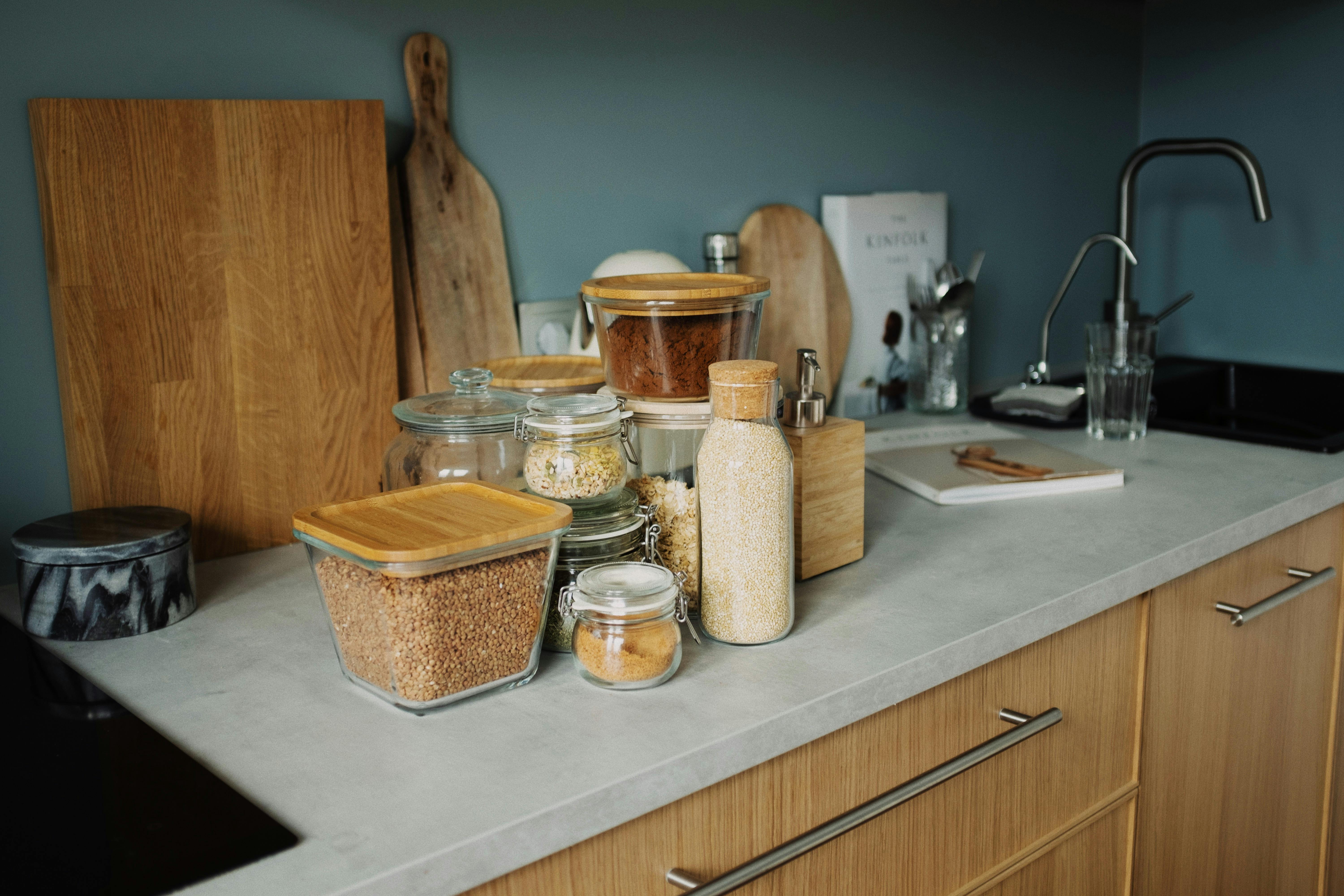
OtthonTrend did not conduct a laboratory product test, does not publish a brand ranking, and this article is not sponsored. The photographs are illustrations and do not verify the material or legal compliance of the objects shown.
European Commission: Food-contact materials legislation
European Commission: Commission adopts ban of Bisphenol A in food contact materials (2024-12-19)
EUR-Lex: Commission Regulation (EU) 2024/3190
EUR-Lex: Commission Regulation (EU) 2026/250 (Hungarian)
EFSA: Bisphenol A and other bisphenols (reviewed 2026-09-14)
Nébih: Megjelent az Európai Bizottság útmutatója a BPA betiltásával kapcsolatban
Editorially reviewed content