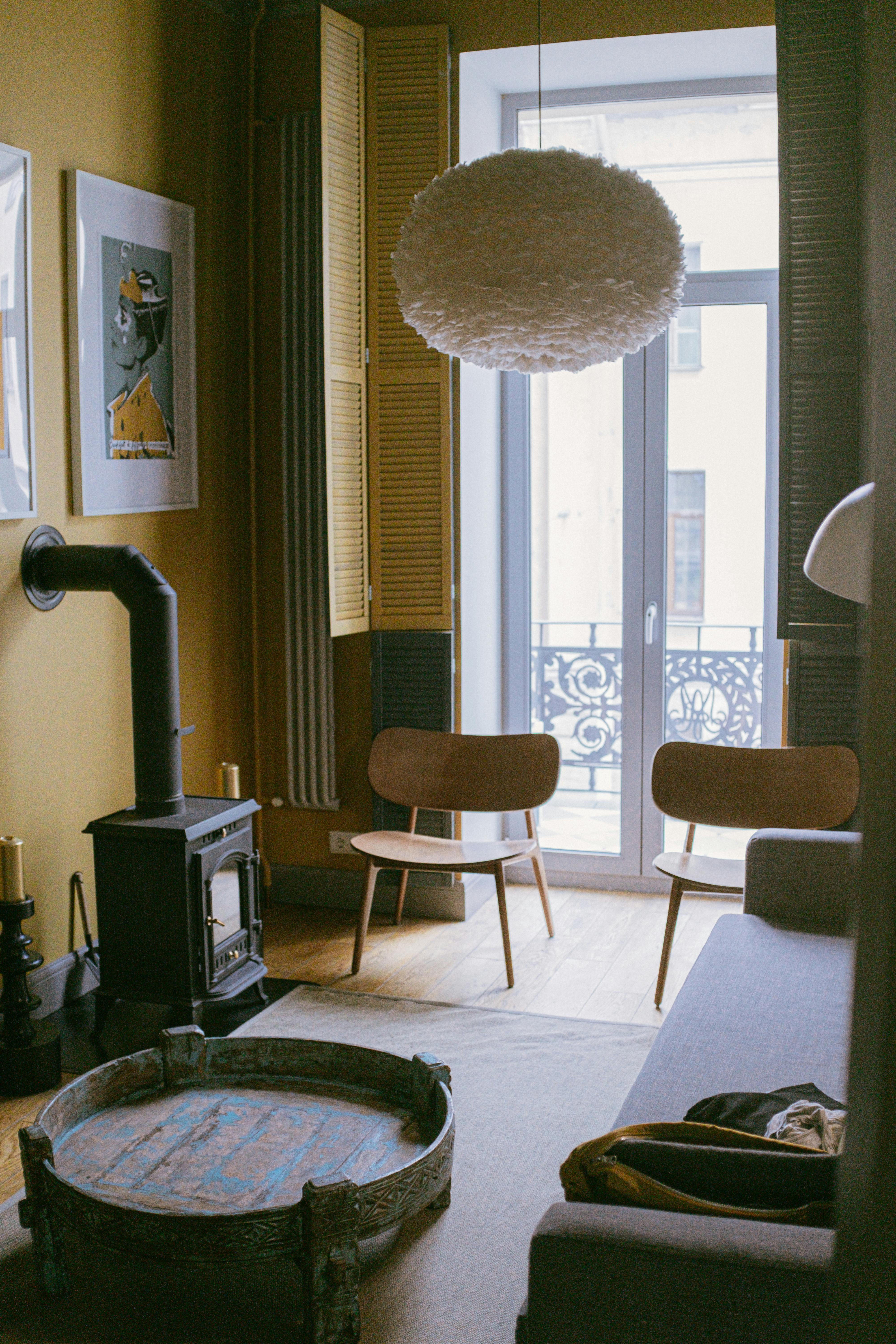
Logs stacked beside a fireplace may look inviting, but appearance does not determine heating-season safety. Guidance published by Hungary’s National Directorate General for Disaster Management on 20 October 2026 stresses that the appliance, chimney, combustion air and fuel must be considered together. This checklist does not replace the manufacturer’s instructions or a qualified professional; it shows what to clarify before the first fire.
1. Check the system before admiring the flame
A new, renovated or altered chimney, and a newly installed heating appliance, must not be used before the required technical inspection. The same applies when the type of fuel changes. Even during a cosmetic redesign — a new surround, mantel or furniture layout — keep inspection and cleaning openings accessible.
2. Arrange the chimney inspection in good time
Hungarian disaster-management guidance recommends annual inspection for chimneys serving solid-fuel appliances, every two years for gas and closed-system appliances, and a full technical review of the flue route every four years. Work is scheduled in apartment buildings; owners of detached houses must request an appointment. The standard service is free for qualifying privately owned family homes where no business is registered, but it is not automatic.
3. The appliance needs its own annual check
A chimney inspection is not the same as maintaining the fireplace, stove or boiler. Have the appliance checked annually by an appropriate professional and follow the manufacturer’s rules for cleaning, seals and replacement parts. Do not wait for the next routine service if you notice cracked glass, a damaged door seal, a distorted flue pipe or soot marks.
4. Do not alter combustion air by accident
Fire consumes oxygen, so air inlets and ventilation grilles must not be covered. New airtight windows, a powerful cooker hood or a portable air conditioner can change pressure conditions inside the home. The combined operation of an open-flued appliance and an extractor should be assessed by a professional; “leaving a window ajar” is not a universal engineered solution.
5. Burn only dry, clean, untreated wood
Do not burn waste, painted or varnished wood, particleboard, plywood, glued timber, wet logs or household rubbish. They can produce incomplete combustion, heavy deposits and harmful pollution. The US EPA’s practical guidance recommends properly seasoned firewood below 20 per cent moisture; a moisture meter is a more useful guide than judging by bark or sound.
6. Fuel is not fireplace styling
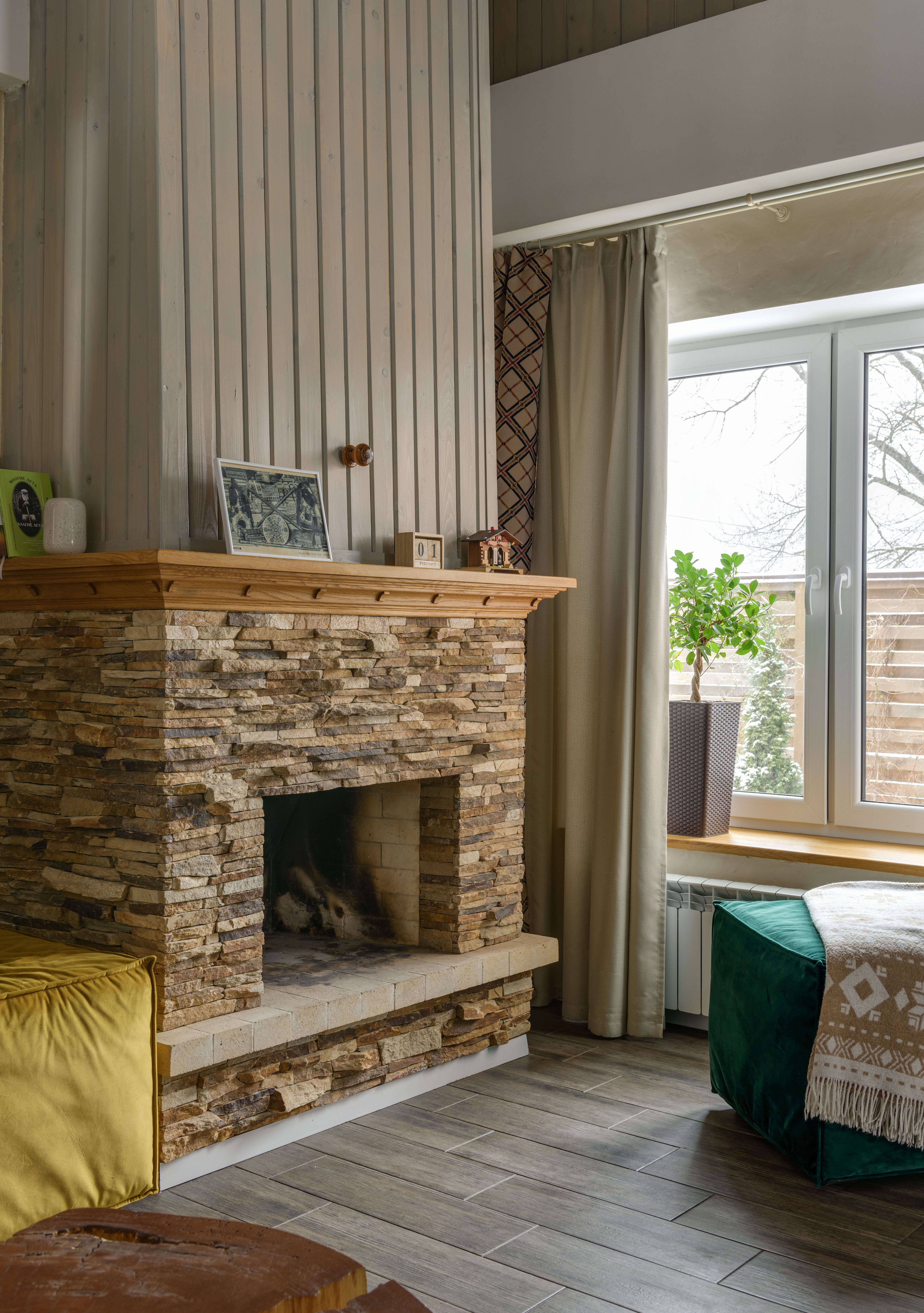
Keep logs, baskets, textiles, seating and other combustible objects beyond the clearance specified by the appliance manufacturer. An open fireplace needs a spark guard and a non-combustible surface to catch embers and falling pieces. Exact distances depend on the appliance and installation: do not copy the proportions of an interior photograph.
7. Do not accelerate or starve the fire
Never use petrol, kerosene or charcoal lighter fluid to start a fire. Keep the appliance door closed during operation where the manufacturer requires it, and avoid prolonged smouldering caused by restricting the air too far: too little air can mean more smoke and more chimney deposits. Follow the manual for lighting technique and air-control settings.
8. Ash can hide live embers for days
Collect ash in a covered metal container, then place it on a non-combustible surface outdoors, away from the building and anything flammable. Dispose of it only when completely cold. A plastic bucket, paper bag, timber deck or rubbish store is not a safe temporary location.
When should you stop immediately?
If smoke spills into the room, soot falls, an unusual roaring comes from the chimney, a carbon-monoxide alarm sounds, or a chimney fire is suspected, Hungarian fire-safety guidance says to stop using the appliance and flue immediately. In immediate danger, move to fresh air and call 112; do not use the system again until the cause has been established and the necessary inspection completed.
Quick checklist before the first fire
- The required chimney inspection and appliance service are complete.
- Inspection and cleaning openings remain accessible.
- Air inlets are open and the effect of extractors has been assessed.
- Only dry, clean, untreated firewood will be burned.
- Combustible objects are outside the manufacturer’s required clearance.
- The spark guard or non-combustible floor protection is in place.
- The covered metal ash container stands outdoors on a non-combustible surface.
- Alarms have been tested separately, following their manufacturer’s instructions.
BM OKF — Így tegyünk a biztonságunkért a fűtési szezon idején (2026. október 20.)
Kéményseprés — Gyakori kérdések
Editorially reviewed content