A piece of furniture is not necessarily safe simply because it does not wobble when empty and all drawers are closed. The real test comes in use: open drawers and doors, a forward-shifted centre of gravity, a child climbing a shelf, or a television placed on top all create very different forces.
European Commission safety requirements for children’s products specifically address stability and tip-over hazards. They also state that anti-tipping products need suitable attachments and materials able to withstand expected forces and ageing. The practical lesson is straightforward: wall anchoring is part of safety, not an optional decorating accessory.
1. Start with a risk inventory
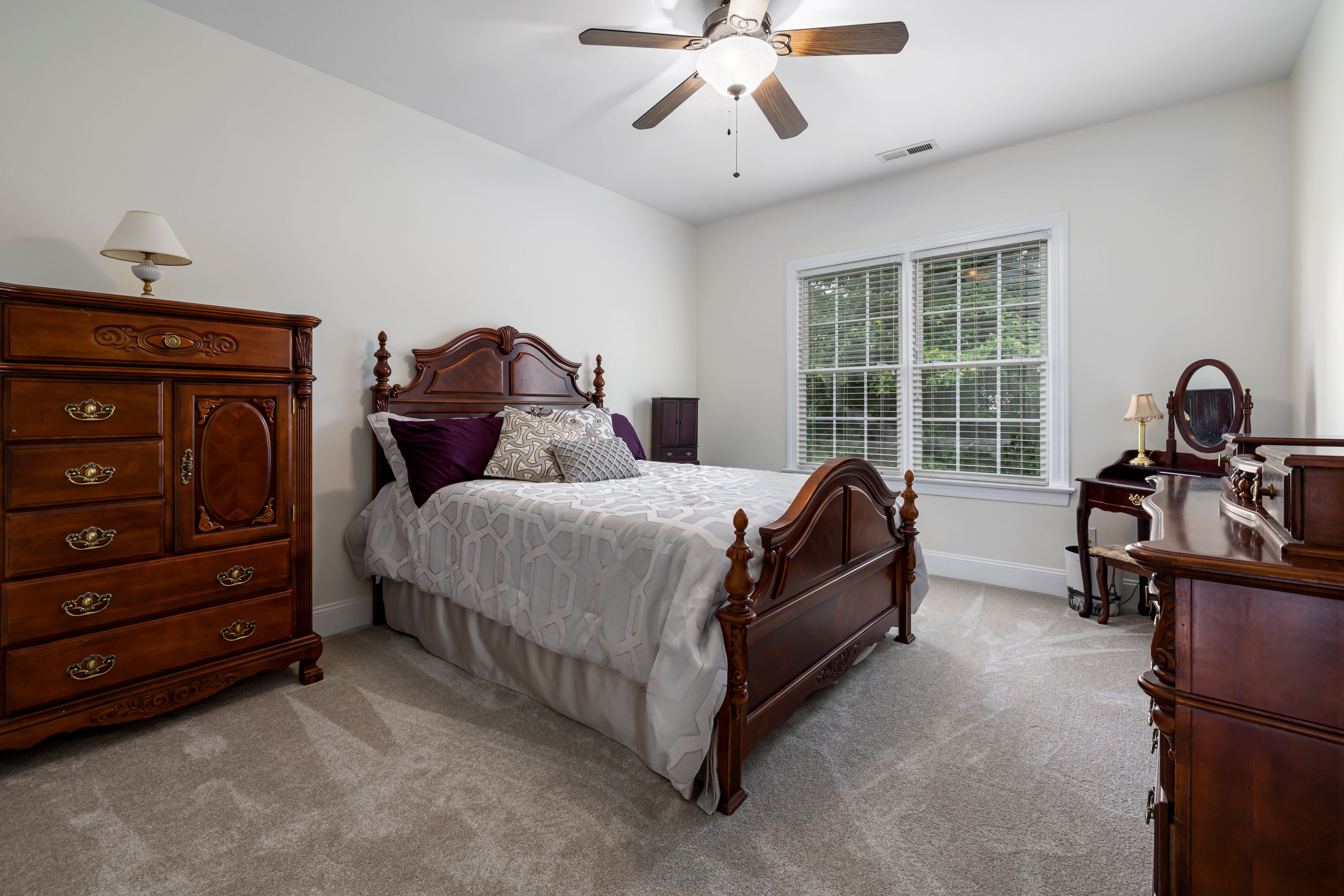
Walk through the home and list dressers, bookcases, display cabinets, tall wardrobes, narrow storage units and furniture supporting a television. Pay particular attention to pieces that are tall and narrow, have several pull-out drawers, stand on thick carpet, carry heavy objects on top, or sit in a child’s room, bedroom or play area.
Do not judge by age alone. Old and new furniture can both be risky if it is not secured as instructed, its load has changed, its fittings have loosened or it has been moved to a different wall.
2. Find the manufacturer’s instructions and restraint
The assembly manual for the specific item is the primary reference. Check whether it requires wall anchoring, how many points it specifies and which fittings it uses. If a strap, bracket or other anti-tip device was supplied, do not leave it in the packaging.
If a component is missing, do not automatically substitute a random universal kit. Ask the manufacturer or retailer for a compatible replacement, and check the EU Safety Gate system for relevant product warnings or recalls.
3. Match the fixing to the wall
Solid brick, concrete, plasterboard and timber-stud walls do not use the same screws or plugs. A supplied strap or bracket does not necessarily mean that the wall fastener included, if any, suits every wall construction.
If you are unsure what the wall is made of, where wiring or pipes run, or whether plasterboard has suitable structural support behind it, use a competent installer. A guessed drilling point and an unsuitable plug can create false confidence.
4. Connect to structural points on both sides
Attach the restraint to the structurally suitable point identified by the manufacturer. Do not screw only into a thin back panel, trim or loose component because it is easier to reach. The wall-side connection must also be made at a load-bearing point with hardware suited to the wall material.
Do not modify the furniture or drill at a new location unless the instructions allow it. When in doubt, ask the manufacturer’s support team or an experienced installer how to preserve the structure.
5. Remove climbing temptations and top-heavy loads
Do not place toys, remote controls, sweets or frequently used items high up where a child may climb to reach them. Never place a TV on a dresser or furniture not designed to support it. A television that is not wall-mounted still needs to be secured against tipping according to its instructions.
Put heavy items on lower shelves or in bottom drawers. This does not replace anchoring, but it reduces risk from a high centre of gravity.
6. Drawer locks do not replace anchoring
Drawer and door locks may help prevent a young child from opening several components at once, but they do not make furniture tip-proof. Child locks, a stable base and wall anchoring are separate safety layers.
Teach children that drawers are not steps, but do not rely on compliance alone. The environment should be designed so that a moment of inattention does not become a serious accident.
7. Recheck after every move or rearrangement
Inspect anchoring after moving home, painting, changing flooring or carpet, relocating furniture or making a major room change. Look for loose straps, brackets, screws or wall fixings, as well as cracks, deformation or corrosion.
The CPSC has separately warned about weak plastic anti-tip kits that can break or degrade over time. An annual check should therefore confirm not only that a strap exists, but that it remains intact, tight and correctly attached.
A ten-minute home audit
- List tall, narrow and drawer-based furniture, plus televisions.
- Find the manual and original anti-tip parts for each item.
- Confirm that both furniture-side and wall-side connection points are load-bearing.
- Move heavy and climb-attracting objects lower.
- Check that the furniture is not standing on a soft, uneven or unstable base.
- Replace missing or damaged restraints in line with the manufacturer’s guidance.
- If the wall type or correct fastener is uncertain, call an experienced installer.
This is not a product test or a site-specific installation manual. The correct solution depends on the item’s documentation, wall construction and conditions in the room.
European Commission Decision (EU) 2023/1338 — child-product stability and anti-tipping requirements
U.S. Consumer Product Safety Commission — Anchor It!
CPSC warning on degrading plastic tip-restraint kits
IKEA — Secure it! wall-anchoring guidance
Editorially reviewed content