A green-and-blue EU flower on a piece of furniture or mattress can easily be mistaken for an energy label or a manufacturer’s own “green” badge. It is something different: the EU Ecolabel is a voluntary, multi-criteria environmental label awarded by an independent competent body against verified requirements. Commission Decision (EU) 2026/66 extended the validity of the current furniture and bed-mattress criteria until 31 December 2029.
First: this is not an energy label
An energy label helps compare how much energy a product uses and which efficiency class it belongs to. The EU Ecolabel instead applies a set of requirements connected to the life cycle of a product group. It is not compulsory for every item of furniture, so its absence does not by itself prove poor quality. When present, however, it is more than a single marketing claim: eligibility must be supported by documentation and test evidence.
The flower does not mean “chemical-free” either. Furniture is rarely made without adhesives, finishes, textiles or foams. The label’s role is to exclude or restrict specified hazardous substances, set emissions and durability requirements, and verify material sourcing.
What does it check for furniture?
The criteria cover a broad range of free-standing and built-in furniture for indoor or outdoor use. Five elements are especially useful to buyers:
- Material sourcing: documentation is required for legal and sustainably managed sources of wood, cork, bamboo and rattan.
- Restricted hazardous substances: separate conditions apply to adhesives, coatings, metals, plastics and upholstery.
- Formaldehyde: wood-based panels and the finished product are subject to emission limits and verification rules.
- Fitness for use and durability: the product must meet relevant safety, strength and durability standards for its furniture type.
- Design for disassembly: furniture made from multiple materials must allow components to be separated for repair, reuse or recycling.
That matters when choosing a wardrobe, bed frame, desk or upholstered piece for many years. The label does not promise that every screw is held in local stock, but it provides a stronger starting point for questions about repairability than a vague “eco-friendly” claim.
What does it check for a mattress?
Bed mattresses have a separate EU criteria set. It addresses foams, latex, covers, fillings, adhesives and other components; restricts problematic substances; and includes requirements on emissions, durability, consumer information and end-of-life guidance.
The label does not say whether the firmness suits your body, sleeping position or health needs. Two equally labelled mattresses can feel completely different. Trial periods, exchange terms, height, zoning and compatibility with the bed base therefore remain a separate checklist.
What should you not read into it?
- It is not an energy class and does not show annual electricity use.
- It does not prove that every component is natural or “chemical-free.”
- It does not replace a comfort trial, ergonomic choice or medical advice.
- It cannot guarantee unlimited service life, damage-free delivery or flawless assembly.
- It does not automatically make an unlabelled product a poor choice; the maker may use another verifiable system or may simply not have applied for this voluntary label.
- It is not the same as the forthcoming Digital Product Passport; the two systems have different purposes and legal roles.
How to verify the label in a shop
Start with the exact model and variant. Not every size, cover or material option within a range necessarily belongs to the same licence. Ask for the EU Ecolabel licence number; its usual format combines a country code, product-group code and serial number, such as “XX/YYY/ZZZ.”
Then search the European Commission’s official EU Ecolabel Product Catalogue. Check the name of the manufacturer or licence holder, the product group and the precise product name. The catalogue is useful but not necessarily exhaustive: online registration is the responsibility of the licence holder. If you find no result, do not jump straight to an accusation of counterfeiting. Ask the retailer for written certification and, if needed, verify the licence with the competent body in the issuing country.
Six questions before buying
- Is this exact model and material variant covered by the licence?
- What is the licence number, and who is the licence holder?
- Which parts can be replaced, and for how long will they be available?
- Is the cover removable, cleanable or replaceable?
- What warranty, legal guarantee, trial period and return terms apply?
- Where are the assembly, maintenance and end-of-life instructions?
The EU flower can be a useful filter when you want verifiable, multi-criteria environmental performance rather than advertising language. For the final decision, still add dimensions, comfort, the actual spare-parts list, service arrangements and total cost of ownership.
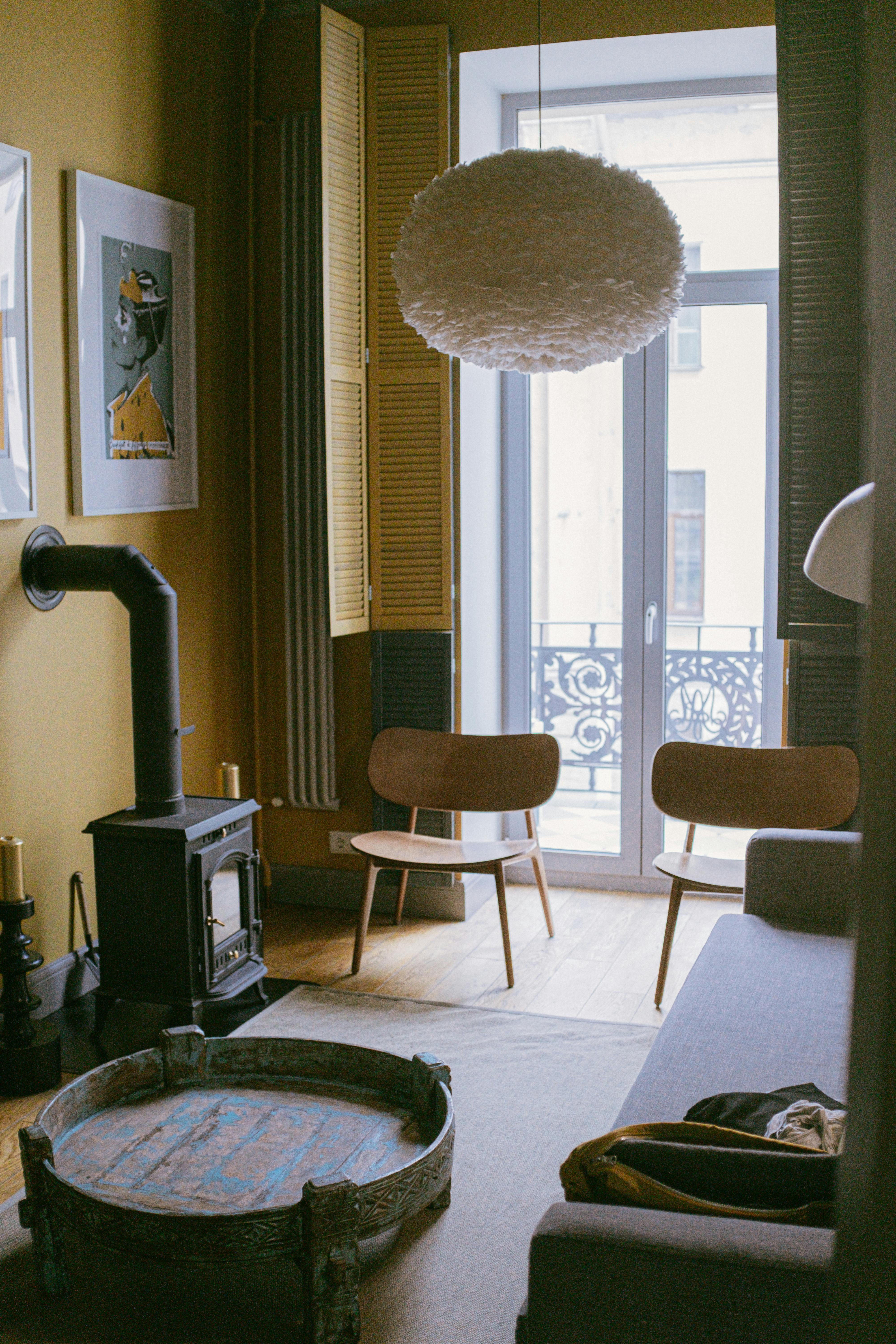
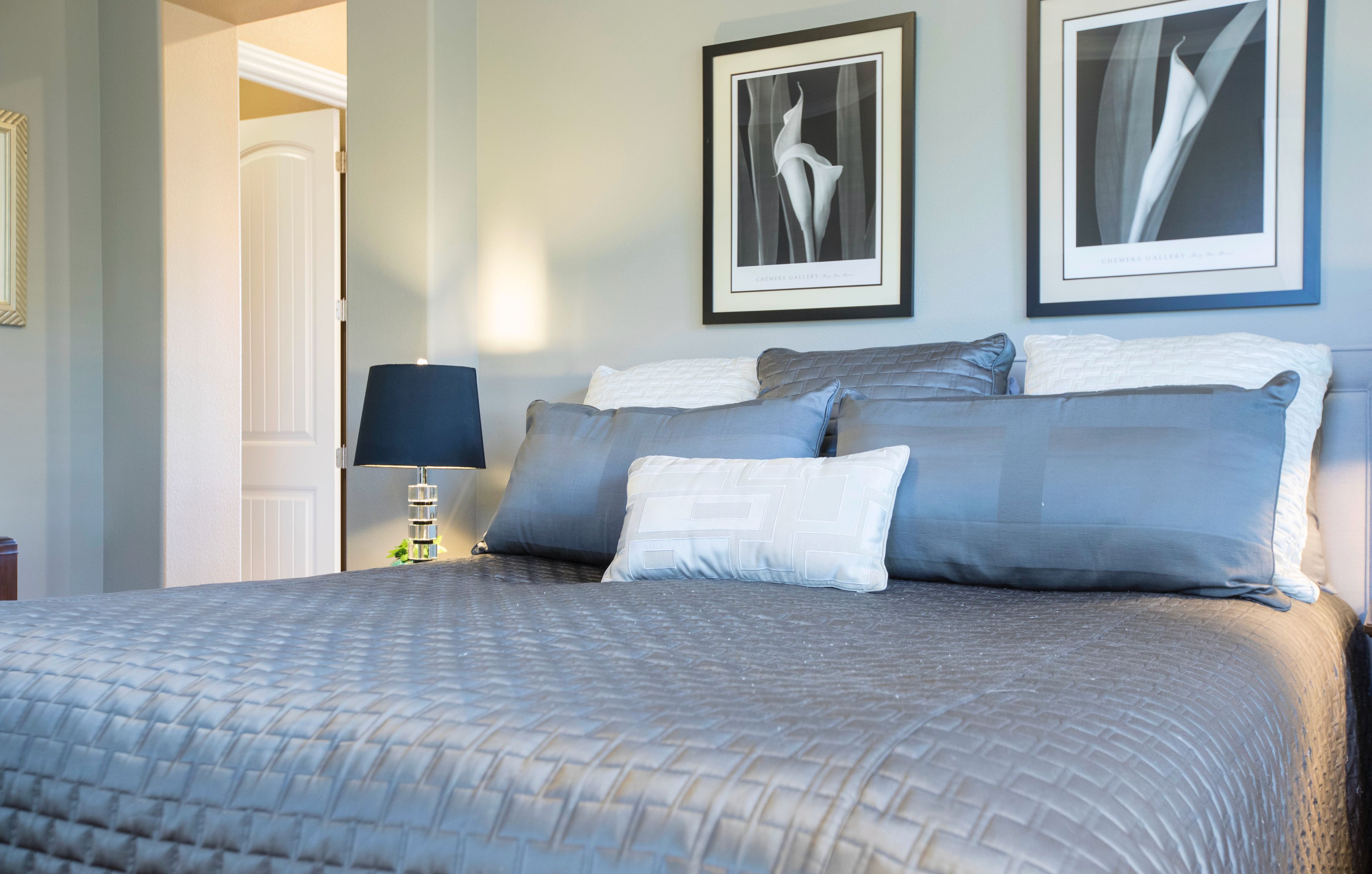
The photographs are illustrations; they are not on-site reporting or product tests, and they do not certify that the pictured products carry the EU Ecolabel.
European Commission · EU Ecolabel: Furniture and bed mattresses
EUR-Lex · Commission Decision (EU) 2026/66
EUR-Lex · EU Ecolabel criteria for furniture
EUR-Lex · EU Ecolabel criteria for bed mattresses
European Commission · About the EU Ecolabel
Editorially reviewed content