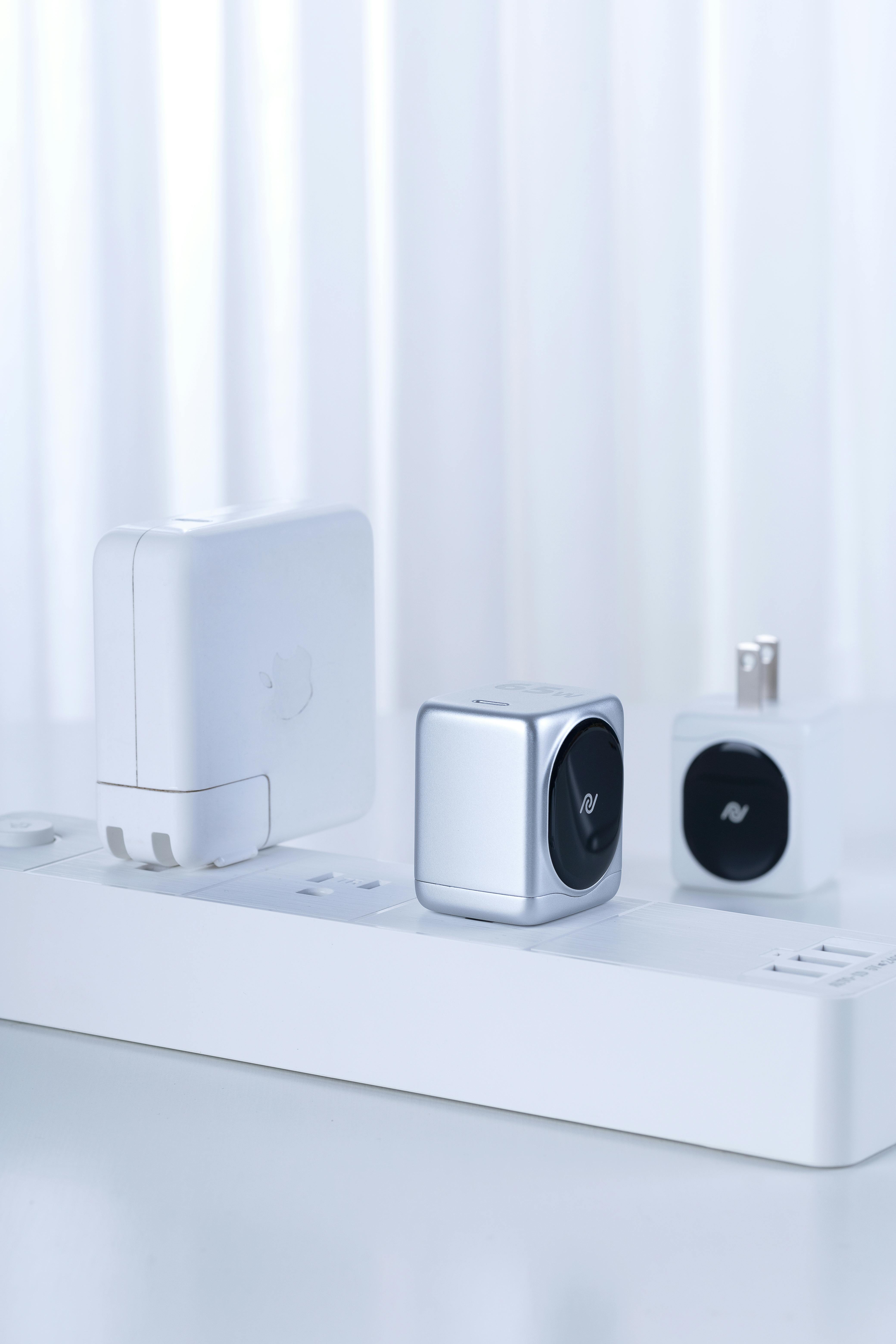
An extension lead is a convenience device, not a new electrical circuit. Four or six sockets on a power strip do not increase the capacity of the single wall connection or the cable feeding it. Thermal-imaging guidance from Hungary’s National Fire Prevention Committee shows why load and hot connection points can become a problem long before flames are visible.
1. Read the rating before plugging anything in
Find the rated current or power on the extension lead or power strip and read its instructions. Add together the nameplate power of appliances that will run at the same time; do not treat every outlet as a separate supply. Empty sockets do not mean spare circuit capacity.
Do not use the device if markings are missing or illegible, the casing is cracked, the cable is kinked or damaged, or the plug is loose or discoloured. For electrical products covered by EU rules, the CE mark accompanies the manufacturer’s declaration of conformity. It does not replace legible ratings, identifiable manufacturer details and sound physical condition.
2. Keep high-power appliances off a crowded strip
Do not put a space heater, fan heater, kettle, iron or another high-power appliance on a strip that is already serving several devices. OtthonTrend’s practical rule is simple: if an appliance regularly produces substantial heat or draws high power, ask an electrician for a suitable solution and, where appropriate, a proper direct wall connection.
Never daisy-chain one power strip into another, and do not use adapters to turn one socket into an improvised network. This does not increase the capacity of the outlet, cable or circuit; it merely adds more connection points.
3. Fully unwind a loaded cable reel
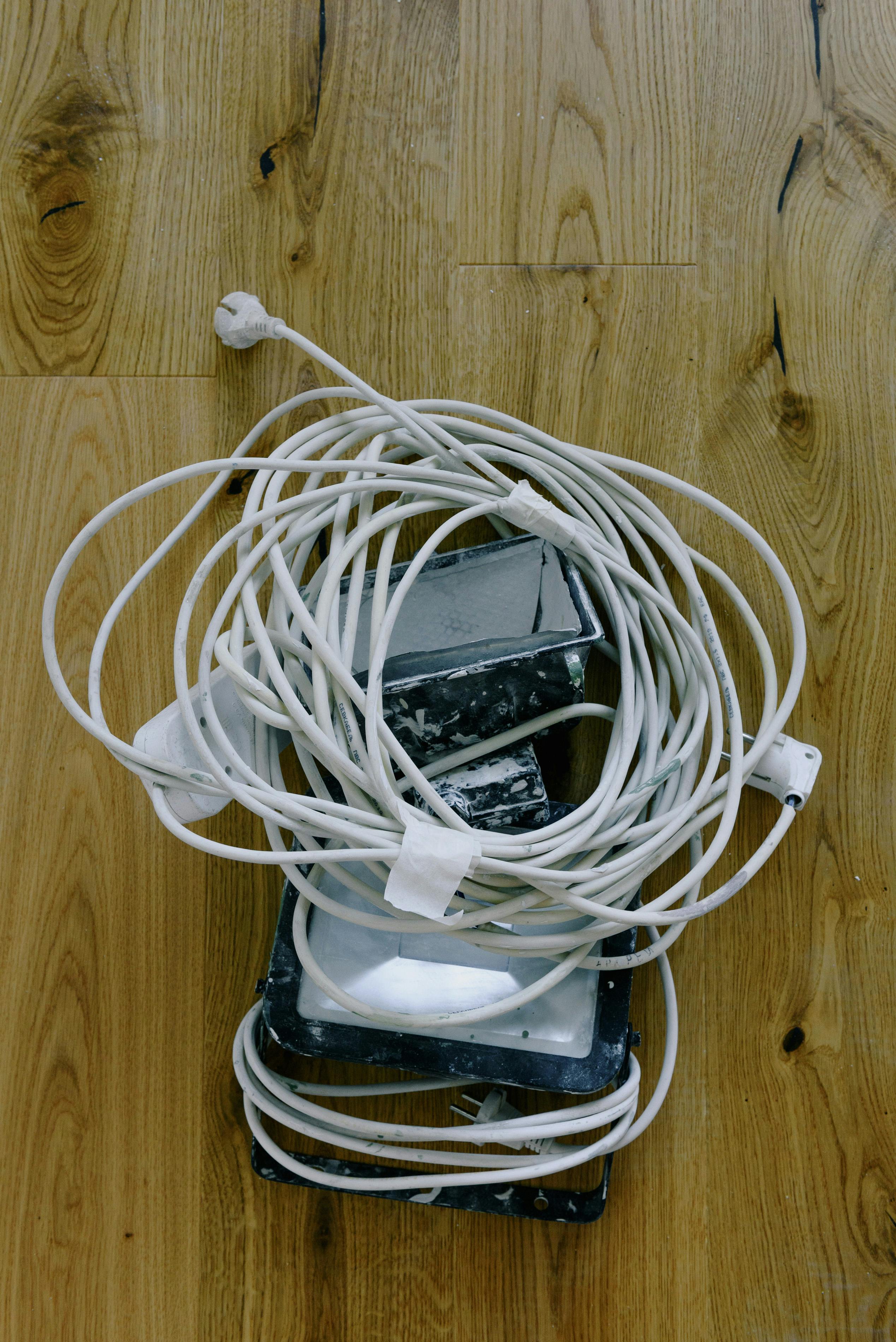
A coiled cable cannot dissipate heat as effectively. Hungarian fire-prevention guidance explicitly advises laying extension leads out and not operating cable reels while still coiled. This matters especially with sustained or higher loads.
Follow the manufacturer’s marking. Some cable reels show different permissible loads when coiled and fully unwound. If the label is unclear or unreadable, do not experiment at the limit.
4. Carpets and furniture are not cable ducts
Do not run an extension lead under a rug, through a doorway or where a chair, table, bed or cabinet leg can crush it. Continuous pressure and abrasion may deform the insulation. A hidden cable also sheds heat less effectively and is harder to inspect.
If the room only works when a cable crosses a walkway for months, this is no longer a temporary extension-lead problem. Ask a qualified electrician to design a properly located outlet.
5. Treat early warning signs as a stop signal
Disconnect the device immediately if you notice unusual heat, a burning smell, crackling, sparks, discolouration, melting or a loose contact. Do not tape over a damaged cable, and never replace a fuse or circuit breaker with a higher-rated one as a DIY fix. A qualified electrician should find the cause.
Never use water on an electrical fire. Call 112 from a safe distance and isolate the power only if it is safe to do so.
6. Count safety information, not just USB ports
Check that the manufacturer or importer can be identified, and look for a model number, electrical ratings, instructions and safety warnings. Make sure the plug and sockets are suitable for local use. The EU Safety Gate database lets consumers search dangerous-product alerts and recalls by brand, model or category. Missing information on a suspiciously cheap, unknown product is itself a warning sign.
A five-minute home audit
- Unplug unused devices and inspect the strip’s casing, plug and cable.
- Read the permitted load and add the nameplate power of appliances used simultaneously.
- Remove every strip-to-strip chain.
- Fully unwind loaded cable reels and free cables from rugs, furniture and doorways.
- If you find heat, odour or a loose contact, retire the device and call a professional.
The best answer is not always a better-looking power strip. Often the safer option is to run fewer appliances from the same point or have a professional add a properly designed outlet to the home’s electrical system.
Országos Tűzmegelőzési Bizottság – Elektromos tüzek: hosszabbítók, elosztók és hőterhelés
BM Országos Katasztrófavédelmi Főigazgatóság – Katasztrófatípusok: tűz
EUR-Lex – 2014/35/EU kisfeszültségi irányelv
Editorially reviewed content