When buying a new appliance, it is easy to narrow the decision to the energy class, programme list and display. Yet the lifetime cost is often decided by the first fault: is service available, can a door seal be ordered, and can wear parts be reached without dismantling half the kitchen?
The EU common rules promoting repair of goods apply from 31 July 2026. For products that are subject to EU reparability requirements and listed in the Directive, manufacturers must offer repair within a reasonable time and at a reasonable price, while making information about repair services easily accessible. When a consumer chooses repair instead of replacement within the legal guarantee, the amended EU rules provide an additional year of legal guarantee. This is meaningful progress, but it does not make every model equally easy, fast or affordable to repair.
1. Scan the QR code; do not stop at the A–G letter
The QR code on the energy label leads to the model page in EPREL, the European product database. It provides more detail than the printed label. For washing machines, you can compare water use, programme duration, capacity and spin noise as well as energy consumption.
Check the exact model number. Two products in the same family may look almost identical while having different product sheets. A legitimate EPREL destination appears under the ec.europa.eu domain; if a sticker looks doubtful, enter the EPREL identifier manually.

2. Ask which part is available to whom, and for how long
“Parts are available” is too vague. For washing machines and washer-dryers, specified parts including door hinges, seals, locks and detergent dispensers must remain available for ten years, while professional repairers have access to a wider range of parts and technical information.
For dishwashers, the Commission product page specifies ten-year availability for items such as hinges, seals, spray arms, filters and racks. Professional repairers must have access to additional parts and repair information for at least seven years, with parts delivered within 15 days. Ask about the precise model, not only the brand.
3. Find the service route before you reach the till
A credible product page does not hide repair. Look for a Hungarian service locator, a public fault-reporting route, a spare-parts page and indicative prices for common repairs. Under the new EU framework, manufacturers must make repair-service information easy to access and publish indicative prices for typical repairs.
Save the link and model number. The European repair platform is planned for January 2028 and is not yet operational, so the manufacturer's and retailer's verifiable service network matters today.
4. Wear parts should be individually replaceable
Repairability is not only a legal right; it is a design quality. Accessible pump filters, separately orderable door seals and hinges, tool-free filter cleaning and electronics that do not require replacing an entire expensive assembly are positive signals.
In the showroom, inspect the door, filter cover and connections. Ask which parts require authorised service. This is not an invitation to unsafe DIY: repairs involving mains electricity, water, refrigerant or gas must be handled by a qualified professional.
5. Installation must leave room for service
An appliance squeezed into a millimetre-perfect niche may look tidy and become costly to service. Measure the full door swing, hose bends, ventilation clearance and the route needed to pull the machine out of its cabinet.
For washers and dishwashers, access to the water shut-off and connections is essential. For tumble dryers, plan for airflow, condensate and filter cleaning. A good layout does not bury technology permanently; it keeps it discreetly accessible.
6. Watch the tumble-dryer repairability class — and know when it becomes mandatory
In November 2025, the European Commission adopted an A–E repairability scale for household tumble dryers. It connects to the energy-label system applying since 1 July 2025, but the repairability scale becomes mandatory for all household tumble dryers placed on the market from 1 January 2027. You may therefore see it in autumn 2026, but its absence alone does not yet indicate non-compliance.
When comparing similar dryers, list repairability class, condensation efficiency, noise and spare-parts support alongside energy use.
7. Keep evidence, not only the receipt
Photograph the rating plate, save the energy label and product sheet, and retain the receipt, guarantee documents and service correspondence. Record the installation date and technician details when professional commissioning is required.
If a fault occurs, document the symptom, error code and circumstances before taking action. Do not dismantle the machine if this is unsafe or conflicts with guarantee terms. A well-documented case is easier to hand over to the retailer, manufacturer or service centre.
The OtthonTrend question to ask in store
Ask this: “For this exact model number, where is the official service route, which wear parts can be ordered separately and for how long, and where can I see indicative prices for typical repairs?”
Energy efficiency remains important. But the best appliance does more than use less electricity and water: it fits, remains acceptably quiet in your home, can be reached when servicing is needed, and does not become waste at the first fault.
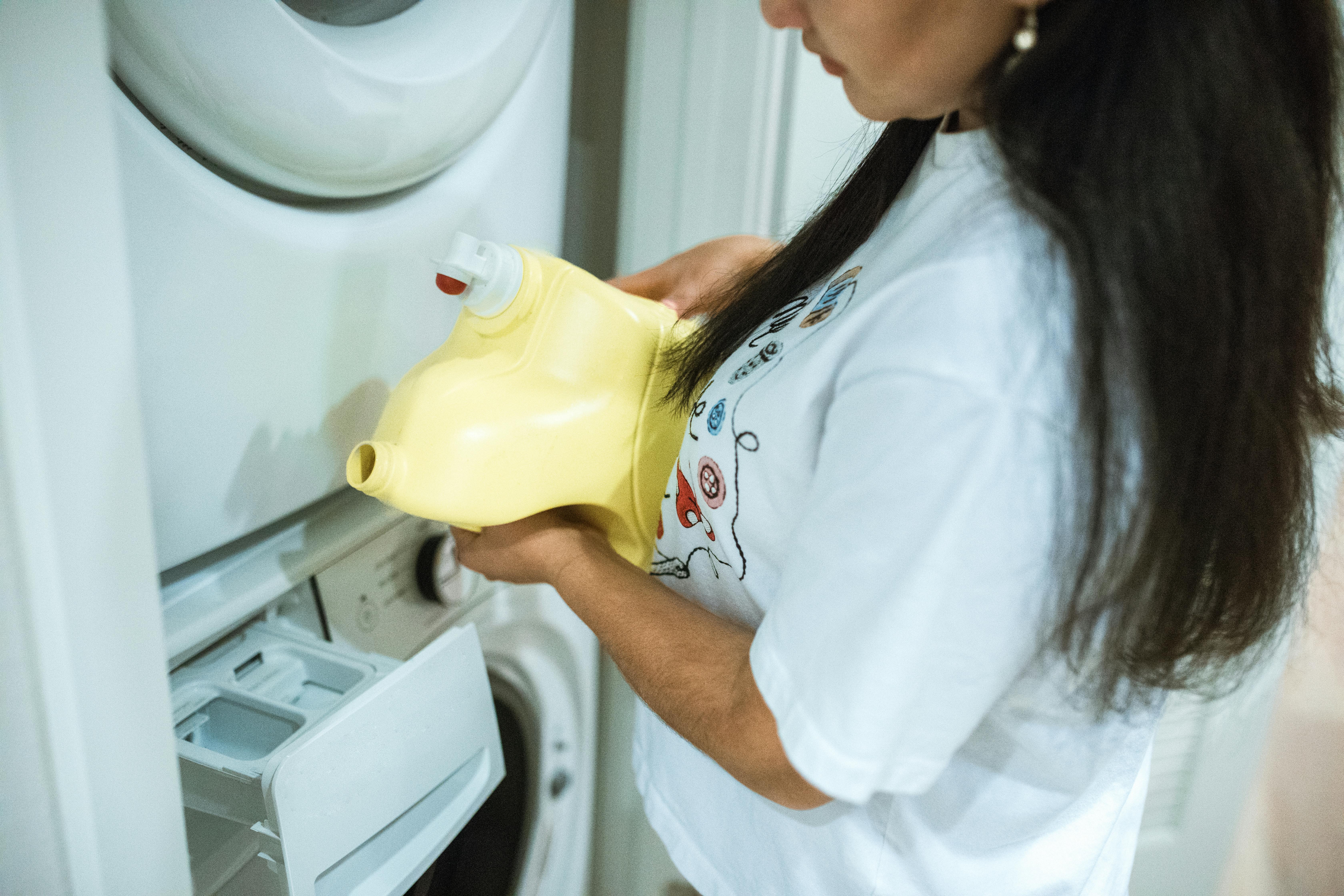
The photographs are illustrations, not product tests, and do not show appliances certified or examined by OtthonTrend. This is editorial information, not individual legal advice.
Európai Bizottság · Irányelv az áruk javításáról, alkalmazás 2026. július 31-től
Európai Bizottság · Mosógépek: energia- és javíthatósági követelmények
Európai Bizottság · Mosogatógépek: pótalkatrészek és energia címke
Európai Bizottság · Az uniós energia címke értelmezése
Európai Bizottság · A szárítógépek javíthatósági indexe, 2025. november 21.
Editorially reviewed content