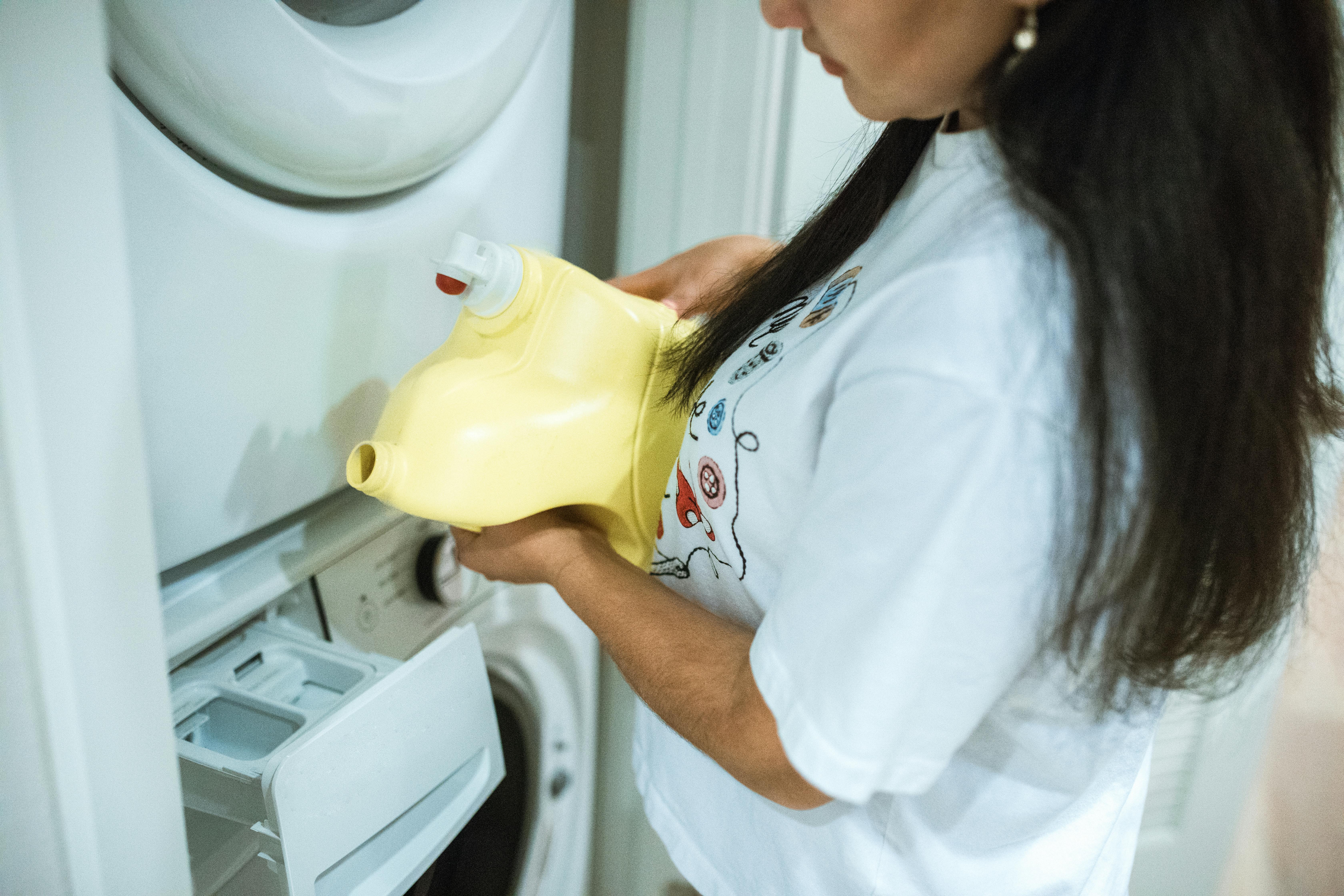
A hidden leak rarely begins with one dramatic moment. It may show up as a slowly moving water meter, a damp cabinet back, a loosening washing-machine connection or a puddle concealed by an appliance. Technology can help, but protection is not a single gadget. It is a combination of an accessible shut-off, correct installation, routine inspection and appropriate detection.
1. Find the shut-off while the floor is still dry
Know where the internal water supply can be isolated and keep the route clear. It is often under the kitchen sink, in a utility room, cellar or near the meter, although layouts vary. WaterSafe advises residents to know its location and check periodically that it works. If it is stiff, dripping or fails to close, have it repaired by a plumber.

2. Learn to read the water meter
Close every tap and stop every water-using appliance. Budapest Waterworks says that a continuously moving leak indicator or star wheel may point to a burst pipe or leak. Record the reading and check it again without using water. In an apartment building, first establish which meter and pipe section belongs to the flat. Persistent or unexplained flow calls for professional investigation.
3. Behind the washer and dishwasher, the hose matters most
A polished appliance front says nothing about its connections. Following the appliance manual, inspect inlet and drain hoses, seals and threaded joints. Bosch installation guidance, for example, explicitly says not to reuse an old inlet hose and not to kink, crush, modify or cut water hoses. After a move or replacement, do not automatically reconnect the old hose.
Secure the drain exactly as the manual shows. A loose, kinked or over-inserted hose can be as risky as a poorly tightened inlet. A dry paper towel can reveal slight dampness after installation, but do not improvise repairs on a pressurised or uncertain fault.
4. Put point sensors where water will appear first
A simple moisture sensor reacts when water reaches the floor and gives a local or phone alert. The US EPA's 2026 guide distinguishes point moisture sensors from systems that monitor flow inside a pipe. Useful point locations include the lowest spot beside a washing machine, dishwasher, sink cabinet, water heater and other vulnerable connections.
Do not place a detector on a shelf or behind a raised edge. First imagine the water's path, then choose a position where its contacts will actually get wet.
5. An alert and an automatic shut-off are not the same thing
A basic detector only reports water. Other systems monitor whole-home flow, look for anomalies and may operate a motorised valve. The EPA recommends checking notification methods, remote alerts, supported pipe size, power, programmability and whether a product genuinely offers automatic or remote shut-off.
A “smart” label is not enough. A phone alert may be more useful than a local beep in a basement or vacant home, while unreliable Wi-Fi makes a local alarm and manual shut-off essential.
6. An in-line valve may require plumbing work
A valve on the main line can protect the whole home, but it may require pipe cutting, correct sizing, power and service access. The EPA therefore anticipates plumber installation for many in-line systems. In a condominium, boundaries between private and common pipework and building rules also matter.
Do not attach a motor to a seized or corroded valve, and do not block manual operation. Know the system's state during a power or internet failure: does it remain open, close, send an alert and allow manual override?
7. Test the real chain
Test a point sensor with a small amount of water or its test button as the manufacturer directs. Verify the sound, app notification and battery condition. With an automatic valve, learn how water is restored before an emergency. EPA home-maintenance guidance recommends checking leak detection and flow-monitoring systems at least annually.
Moved an appliance, replaced cabinetry or changed a battery? Test again rather than waiting for the annual reminder. The detector's position matters as much as the device itself.
8. When an alarm sounds, stop the water first
If it is safe, close the internal main shut-off or the appliance valve and switch off the appliance. If electricity may be involved, do not step into water or touch a plug. In a condominium, notify building management and affected neighbours. Call a professional for heavy or unexplained flow. Drying and checking concealed moisture are part of damage control, not optional finishing touches.
Five-minute checklist
- Does everyone know the main shut-off location?
- Is the valve accessible and working?
- Does the meter still move when all water use is stopped?
- Are appliance hoses new, undamaged and free from kinks?
- Are threaded joints and drains dry?
- Is each point sensor at the lowest point of the likely water path?
- Can an alarm still be noticed without internet access?
- Can an automatic valve be operated manually, and is its reset understood?
Good water-damage protection is a quiet system. It rarely takes centre stage, but in an incident it can save minutes and square metres. A detector earns its place only when connections are sound, the shut-off works, the alert reaches somebody and the next action is understood.
Fővárosi Vízművek – Számlaügyintézés, reklamáció: folyamatosan forgó csillagkerék
Fővárosi Vízművek – Csőtöréskeresés
US EPA WaterSense – Know Your Flow and Curb Water Waste (2026)
US EPA WaterSense – Home Maintenance
Editorially reviewed content