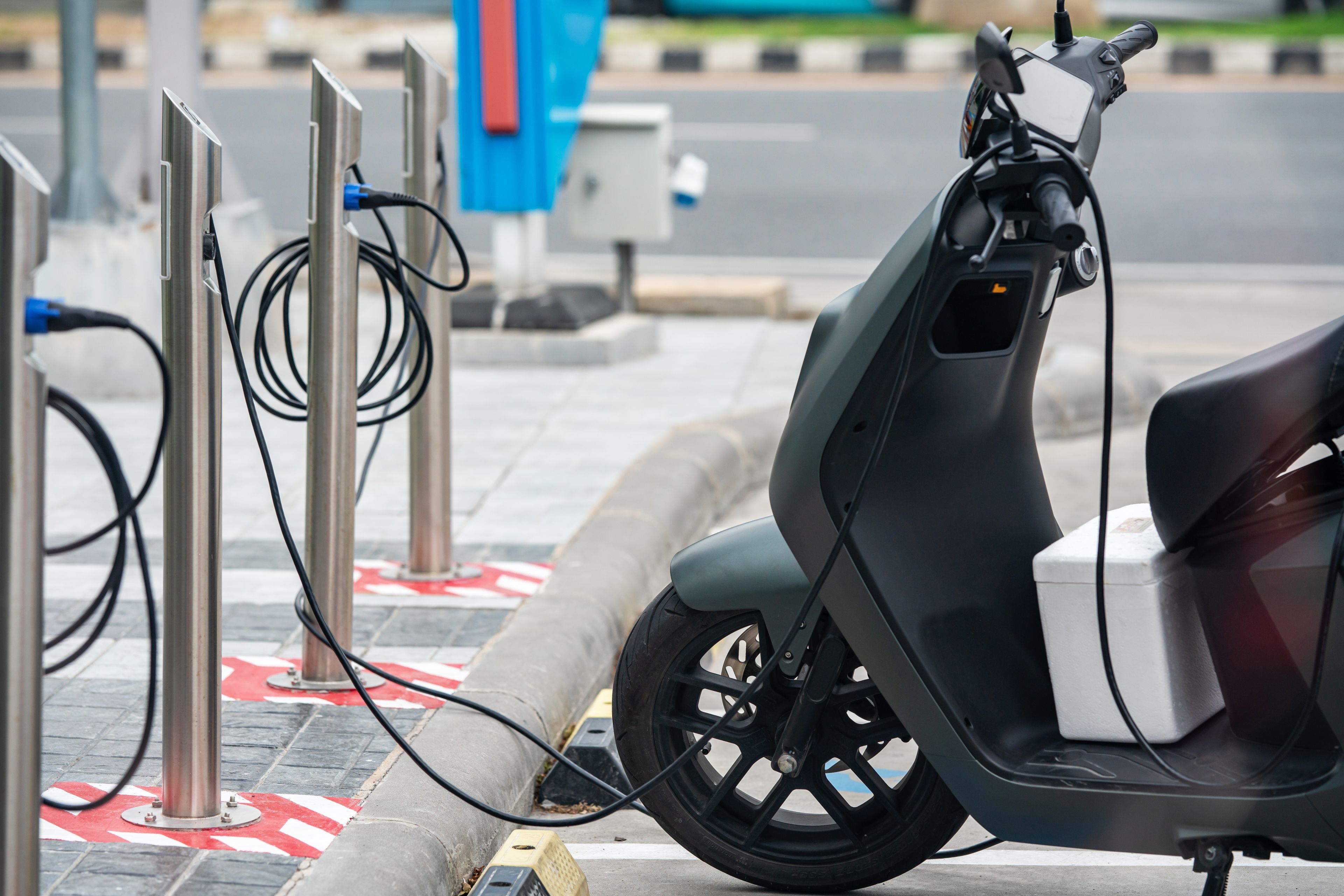
An e-bike or e-scooter is convenient, but battery charging should not become an automatic overnight routine. A lithium-ion battery stores a great deal of energy; damage, an unsuitable charger, heat exposure or an improper repair can make it overheat. The aim is not alarmism, but a charging process with a defined place, time and checkable routine.
Hungary’s disaster management authority advises using only the charger made for the device or one confirmed to be compatible, never charging unattended or overnight, and keeping combustible material away. The London Fire Brigade adds an important spatial rule: do not charge on an escape route, and place the battery on a hard, flat surface where heat can dissipate.
1. Keep hallways and exits clear
Do not charge an e-bike or scooter in front of the entrance door, stairs, a corridor or any route you may need in a fire. In a narrow entrance hall the vehicle is already an obstacle; smoke and poor visibility make it more dangerous.
In shared corridors, stairwells or storage rooms, place equipment only after checking building rules and fire-safety requirements. An available socket or an apparently empty corner does not automatically make a location safe or permitted.
2. Use only the supplied or manufacturer-approved charger
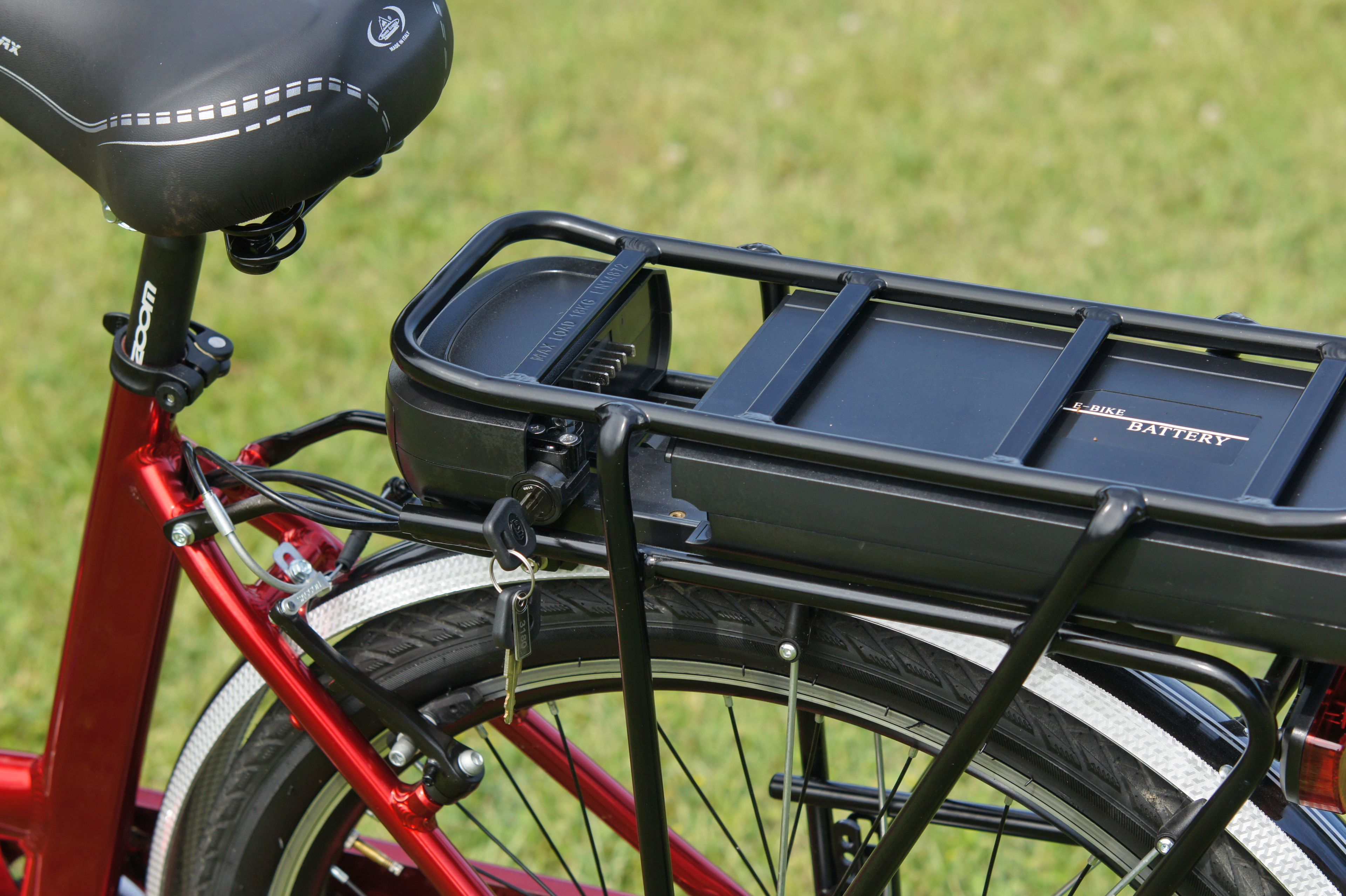
A matching plug does not prove electrical compatibility. Voltage, current, charge control and communication can differ. Use the original charger or a replacement explicitly approved by the manufacturer.
An unknown universal charger, an adapted cable or a home-repaired connector is not a prudent saving. When replacing a charger, use the exact model reference and ask the manufacturer or an authorised service centre.
3. Charge only while awake and present
Never leave the device charging while you sleep or are away from home. Both the CPSC and the London Fire Brigade recommend active supervision. Unplug when charging is complete, following the manufacturer’s instructions.
A simple routine helps: start only when you can remain nearby, and set a reminder for the expected finish time. Do not rely on a smart plug or timer unless the device manufacturer permits that setup.
4. Choose a hard, flat, uncluttered surface
Never charge a battery on a bed, sofa, carpet, in a cardboard box or among clothes. Keep paper, textiles, paint, solvents and other combustibles away. Leave clear space around the battery and charger for heat dissipation.
Fit a working smoke alarm in the room. It will not prevent a failure, but it may warn you earlier. Respect the temperature range in the manual; direct sun, a freezing balcony or a hot parked car are not suitable storage locations.
5. Let the battery cool after use
After a long ride, a climb or heavy load, the battery may be warm. Do not connect it immediately: allow it to cool in line with the manufacturer’s instructions. The same applies when bringing the vehicle in from extreme cold; let it adjust before charging.
Unusual heat, odour, hissing or crackling, swelling, cracking, discoloration or leakage are warning signs. Stop charging and using the device.
6. Do not guess after an impact or damage
If the battery has been dropped, the vehicle suffered a hard impact, was exposed to water or has damaged casing, a visual check may not reveal an internal fault. Disconnect it, do not use it, keep it away from combustibles and seek advice from the manufacturer or a qualified service centre.
Do not open or rebuild a battery pack at home. Avoid unknown used packs, packs rebuilt with repurposed cells and replacements not approved by the manufacturer. The CPSC specifically warns against packs modified by unqualified people or made with repurposed cells.
7. Do not overload the electrical supply
Connect the charger as instructed to a sound wall outlet. Do not use a damaged cable, loose socket, overloaded power strip or coiled extension lead. If an outlet becomes hot, is discoloured, sparks or seems loose, stop using it and have an electrician inspect it.
Do not organise simultaneous charging of several large battery devices from one power strip. Consider the charger load together with the condition and capacity of the home’s electrical installation.
8. Have a plan for faulty and end-of-life batteries
A faulty or spent lithium battery does not belong in household waste. Hungary’s National Fire Prevention Committee advises taking intact batteries to a designated collection point; insulating the terminals may also form part of safe handover. For a damaged, swollen or leaking battery, first ask the retailer, waste facility or service centre for specific instructions.
If a battery is smoking, unusually hot or on fire, personal safety comes first. Alert others, leave the room, close the door if you can do so safely, and call emergency services. Do not compromise your escape route to move the vehicle.
Five-minute checklist
- Is the charger intended for this exact model?
- Will you remain awake and at home until charging ends?
- Are the exit and circulation route clear?
- Is the battery on a hard, flat surface away from combustibles?
- Is it free of damage, unusual odour, noise and overheating?
- Are you using a sound, non-overloaded outlet?
- Is the smoke alarm working?
- Do you know where the spent battery will be taken?
This guide does not replace the manufacturer’s documentation, the building’s rules or an on-site assessment by a fire-safety or electrical professional.
BM Országos Katasztrófavédelmi Főigazgatóság — elektromos kerékpárok és rollerek
BM OKF — lítiumion-akkumulátoros eszközök tüzeinek megelőzése
London Fire Brigade — safe e-bike and e-scooter charging
U.S. Consumer Product Safety Commission — Micromobility Information Center
Országos Tűzmegelőzési Bizottság — használt akkumulátorok kezelése
Editorially reviewed content