Plan the wall before you buy
Art Market Budapest runs from 15 to 18 October 2026 at MTK Sportpark. When buying a work, however, the question is not only whether it suits the space above the sofa. The support, light, humidity, heat and framing together determine whether the proposed location is safe.
This is not an on-site report or an art valuation. It is a practical decision sequence: what to ask the gallery or artist, what to inspect at home and when to involve a conservator or professional framer.
1. Start with the material, not the wall colour
One location will not suit every work equally. Record whether the object is an oil or acrylic painting on canvas, a watercolour, drawing, print, photograph, digital print, textile, wood, mixed-media work or something else. Ask about the support, surface, paint or ink, any varnish and any handling instructions supplied by the artist.
Paper, watercolours, many photographs and some colourants are especially light-sensitive. Canvas paintings can also be harmed by rapid humidity and temperature changes, poor framing, pressure and pollution. Do not apply one generic “museum” formula to unknown or complex materials; ask for advice specific to the object.
2. Observe the wall through a whole day
Check the chosen wall in the morning, at midday and in late afternoon. The work should receive no direct sunlight. Reflected daylight and sustained artificial light also accumulate over time, and fading caused by light cannot be reversed.
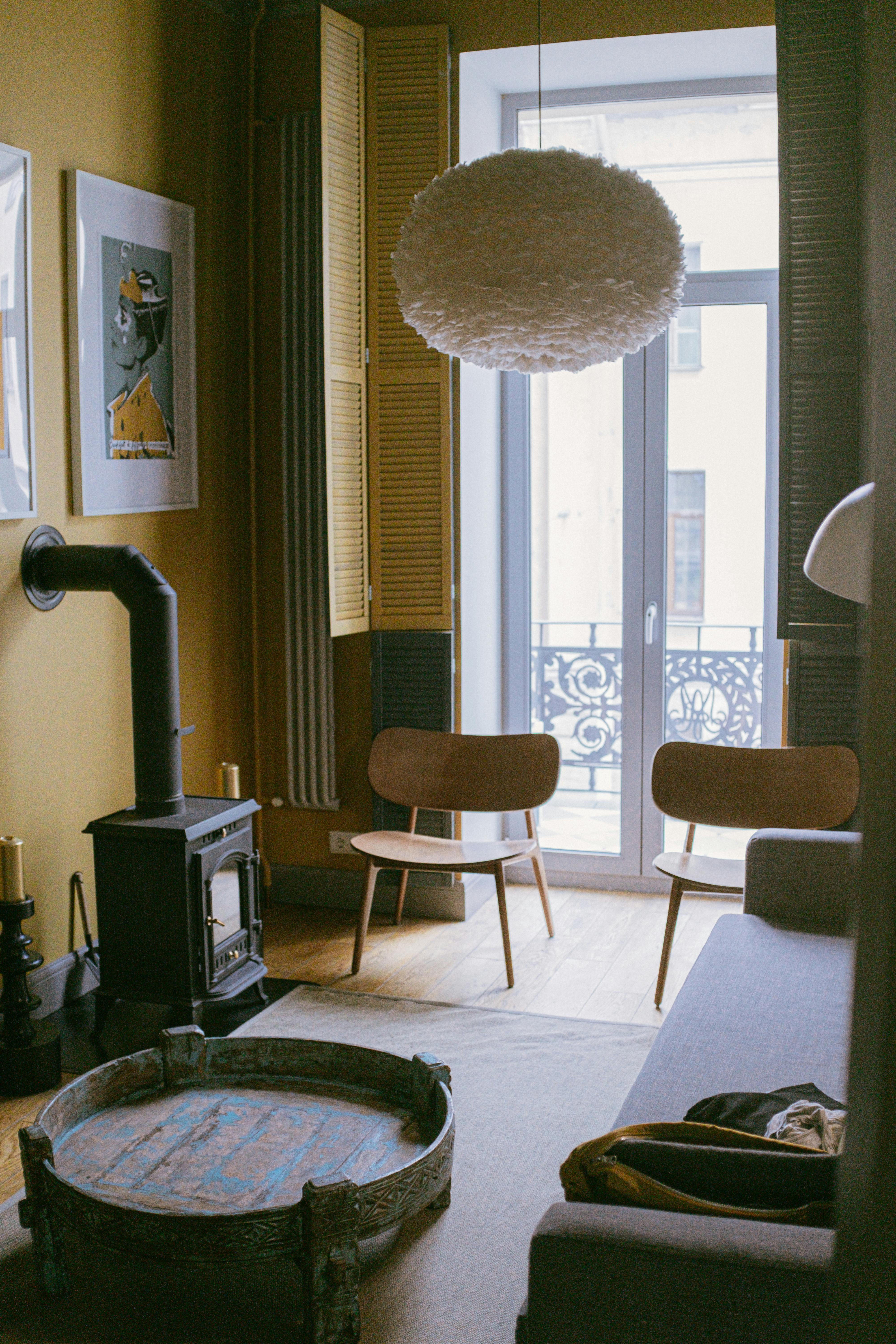
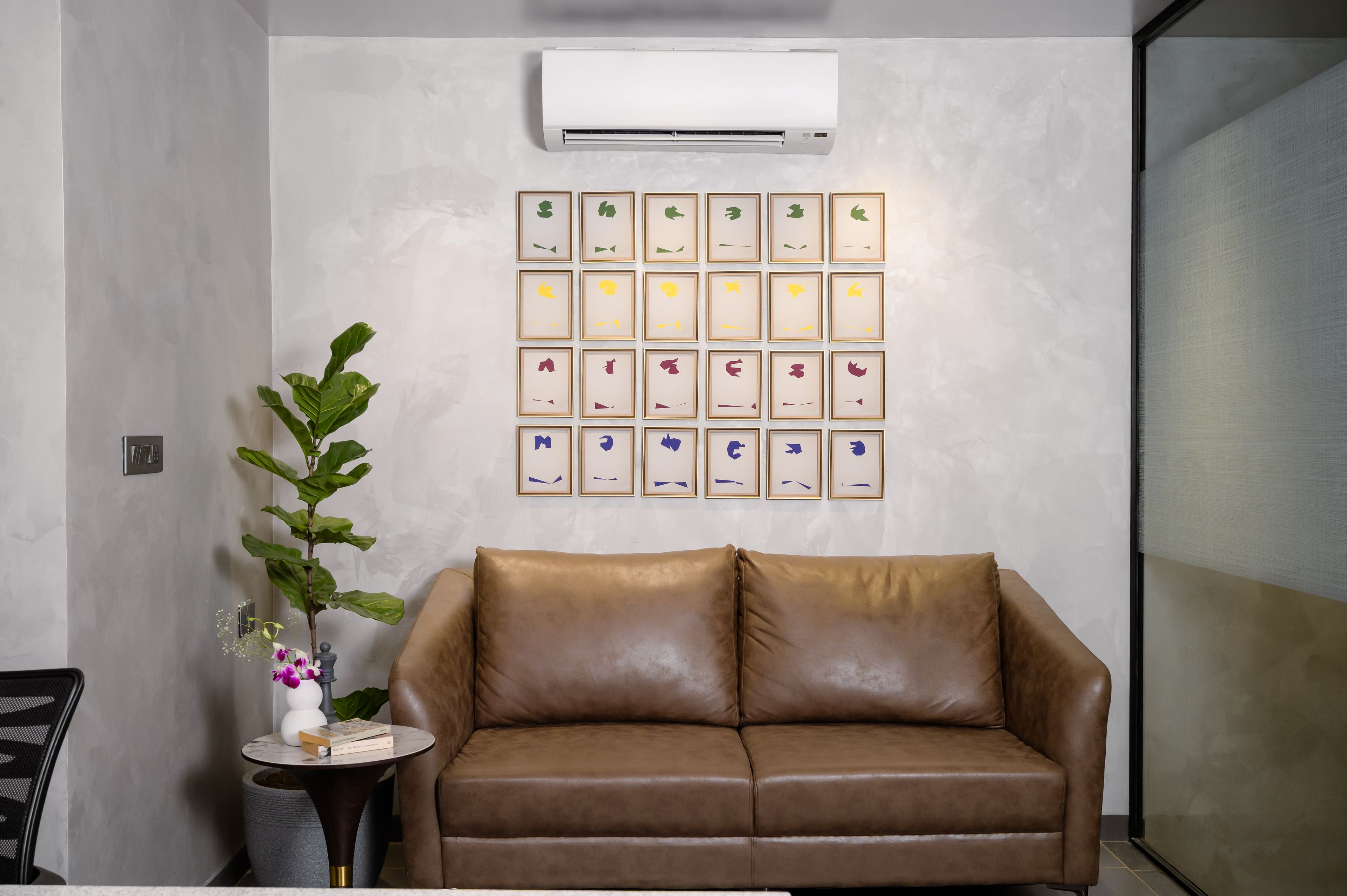
Avoid positions immediately beside radiators, heaters, fireplaces, supply-air vents, air conditioners, frequently opened external doors and poorly insulated exterior walls. A place above the fireplace may look impressive but exposes art to heat, dryness and soot. In a kitchen, greasy vapour and splashes matter; in a bathroom, humidity swings; in a corridor, impacts and repeated touching.
The aim is not one magic number but the cleanest and most stable practical indoor environment. Sudden, frequent changes can be more damaging to sensitive materials than slow seasonal drift. For valuable or vulnerable work, logged room data and object-specific advice from a conservator are more useful than a one-off reading.
3. Make lighting gentle and switchable
Use low-heat LED lighting and avoid a hot picture light mounted close to the frame. A timer, occupancy control or simply switching the light on only when needed reduces total exposure.
UV-filtering glazing can reduce some risks but does not make visible light harmless. For light-sensitive works on paper, watercolours and photographs, consider limited periods of display. If an image must remain on the wall continuously, a high-quality reproduction may be the safer display copy.
4. Treat the frame as a protective system
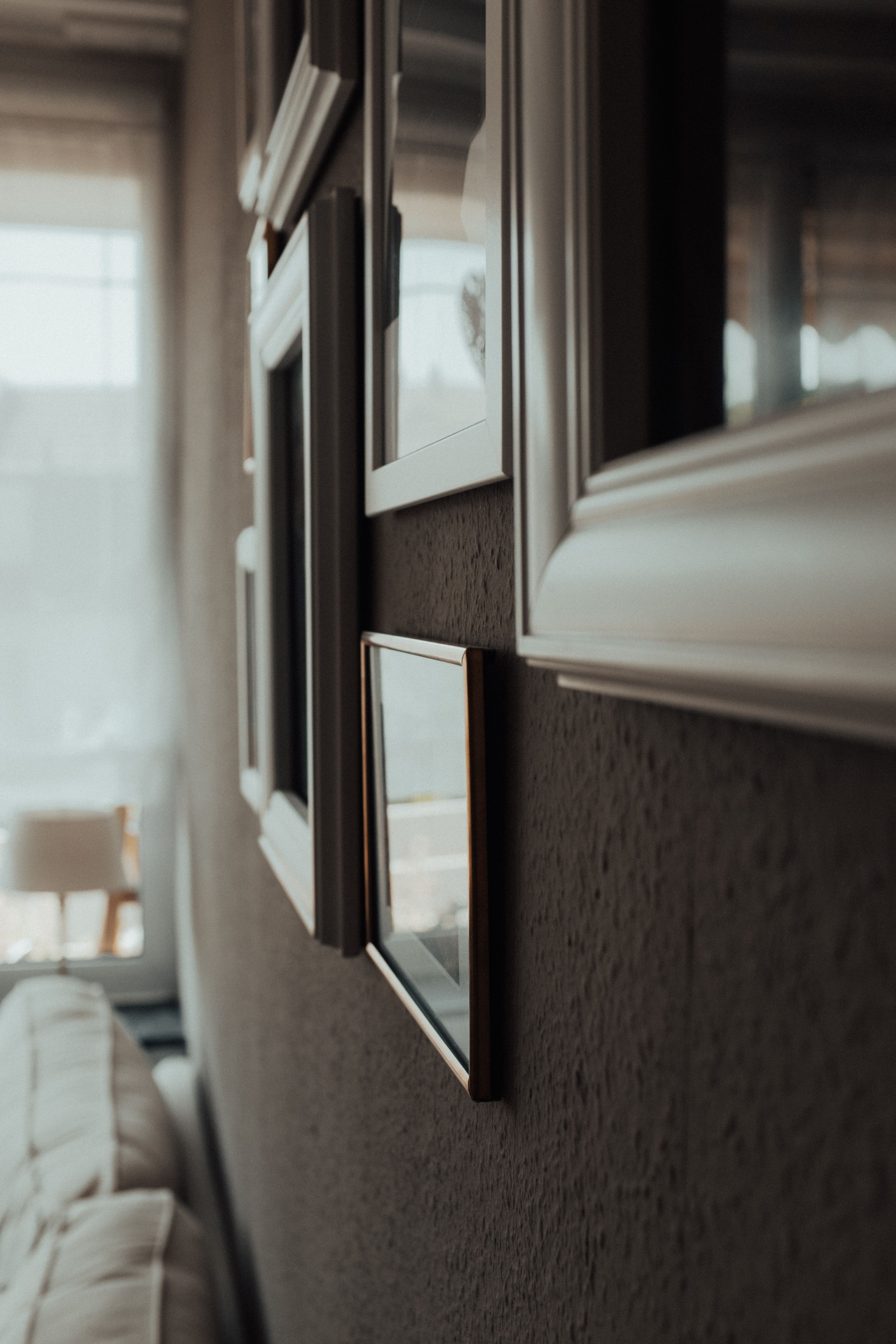
For paper-based works, specify chemically stable, acid- and lignin-free matting and backing. The object should not touch glass or acrylic; a suitable window mat or spacer can maintain separation. Mounting should be reversible and suited to the support rather than ordinary pressure-sensitive tape or direct adhesive.
Pastel, charcoal and other friable media may need a special solution. Static charge from acrylic glazing can attract loose particles, so glazing should not be chosen only by weight and break resistance. For a canvas painting, an appropriate frame and backing board can protect edges and the reverse while moderating rapid environmental changes; ask a framer or conservator to design and fit them.
5. Use the complete framed weight
Base the hanging system on the combined weight of the artwork, frame, glazing and backing. The hook, screw, anchor and wall structure must all be suitable. Plaster, brick, concrete and plasterboard require different fixings.
Two correctly positioned wall hooks can help keep a picture level and reduce movement, but the exact hardware must be selected for the wall and load. Do not install a large, heavy, glazed or valuable work alone. Arrange professional installation and consider children, pets, slamming doors and accidental contact during cleaning.
6. Make a condition record before moving
Photograph the front, back, frame, labels and any existing damage in soft, even light. Record dimensions, medium, artist, title, date, edition number, invoice, provenance documents and the seller’s care instructions. This is not authentication; it is ownership documentation and a baseline for later comparison.
Before moving the work, check whether the paint layer, frame and hanging fittings are stable. Work with clean, dry hands and seek advice about suitable gloves for sensitive frames or surfaces. Never touch a painted surface or press the back of a canvas. Move a larger work with two people along a cleared, padded route.
7. Do not clean on impulse
A feather duster, damp cloth, glass cleaner, household solvent or adhesive can cause permanent damage. Even glazing should be cleaned so that no fluid can enter the frame package. If the surface is lifting, blistering, mouldy, wet, discoloured or torn, do not rub or heat it. Remove it from the source of risk, document the condition and contact a conservator.
Checklist before drilling
- I know the material and its particular sensitivities.
- I checked the wall at several times of day; there is no direct sunlight.
- There is no nearby radiator, fireplace, air vent, greasy vapour or water hazard.
- Framing and backing suit the material, and the object does not touch the glazing.
- The fixing is rated for the total weight and wall construction.
- I have a photographic condition record and purchase documentation.
- I know whom to contact if I notice damage or moisture.
The best position is not necessarily the emptiest wall. It is the place where the work can be enjoyed while receiving less light, heat, moisture, pollution and physical risk.
This article provides general preventive conservation information. It does not replace a conservator’s condition assessment, valuation, authentication, structural advice or professional installation. Sources were checked on 15 October 2026.
Art Market Budapest – Visitor Information (2026. október 15–18.)
Library of Congress – Care, Handling and Storage of Works on Paper
Canadian Conservation Institute – Basic care: Paintings
Canadian Conservation Institute – Environmental Guidelines for Paintings
Library of Congress – Preservation Guidelines for Matting and Framing
Editorially reviewed content